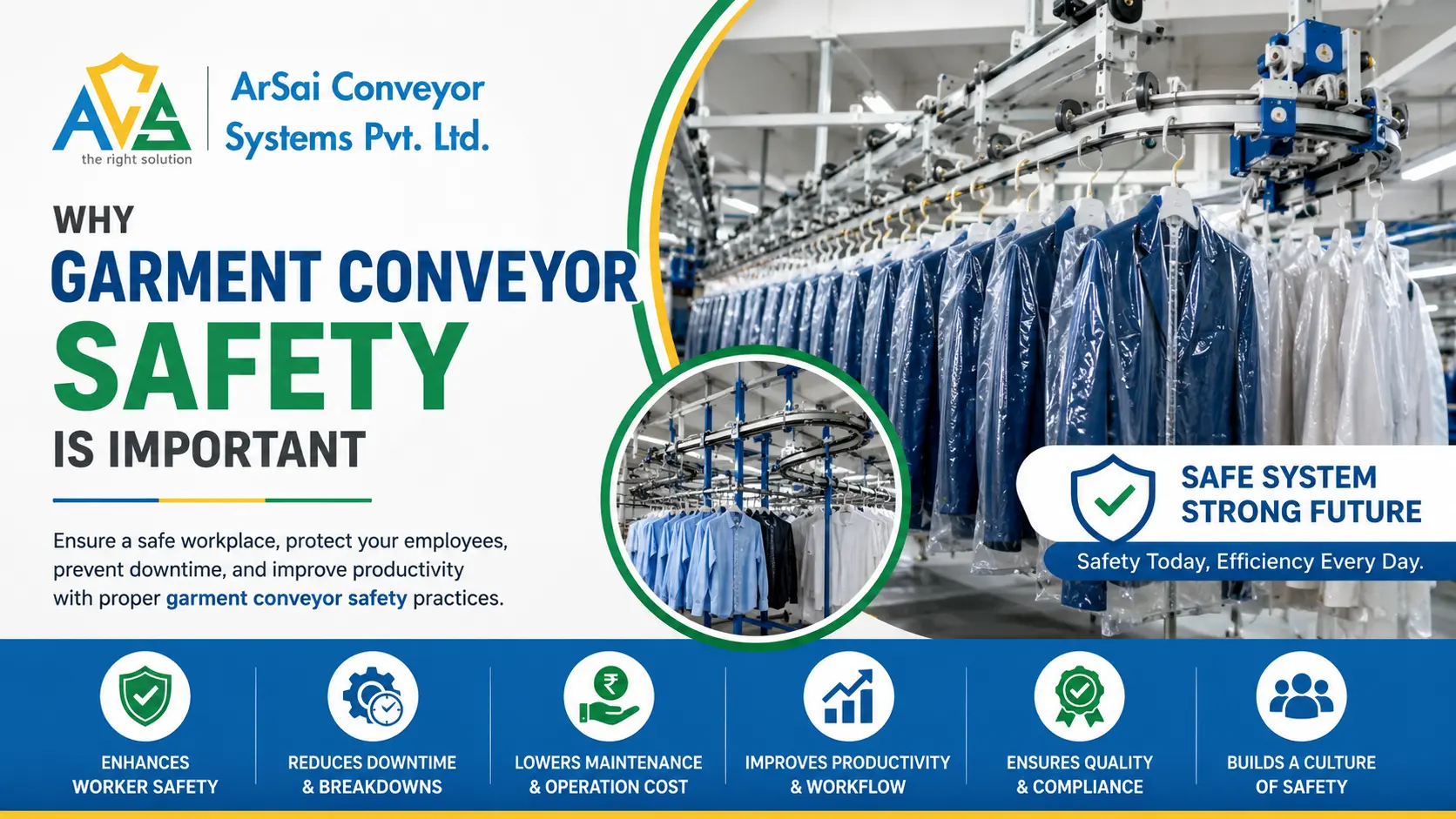
The clothing industry relies heavily on effective material handling systems for maintaining production levels and ensuring efficient workflow. Garment conveyors form an integral part of material handling systems used by companies within the clothing industry. Garment conveyors can help transport clothing from one end to another in various factories, warehouses, retail distribution centers, and dry cleaners among other clothing industries.
Even with the benefits offered by conveyors in improving productivity, safety should be at the forefront of all decisions made. Failing to pay attention to garment conveyor safety could result in injuries, equipment malfunction, disruptions in production activities, and even added costs in repair expenses.
This blog post highlights the importance of garment conveyor safety, dangers associated with garment conveyor systems, and practices that could contribute towards improving safety conditions in the workplace.
Understanding Garment Conveyor Systems
Garment conveyors are specialized material handling systems designed to transport hanging garments efficiently throughout a facility. These systems are commonly used in:
- Garment manufacturing units
- Apparel warehouses
- Fashion distribution centers
- Retail stockrooms
- Dry-cleaning facilities
- Textile processing plants
By automating garment movement, conveyors reduce manual handling, improve organization, and increase overall productivity. Despite these advantages, conveyor systems involve moving parts, electrical components, and continuous operation, making safety a critical consideration.
Also Read: Why Use an Overhead Conveyor (Monorail) in Your Distribution Center or Warehouse Operations?
Why Garment Conveyor Safety Matters
Many businesses focus on productivity and efficiency but sometimes overlook safety procedures. This can result in serious consequences for both employees and the organization.
Proper garment conveyor safety helps:
- Prevent workplace injuries
- Reduce operational disruptions
- Protect expensive equipment
- Improve employee confidence
- Increase productivity
- Ensure compliance with safety standards
A safe workplace benefits everyone involved in the operation.
Protecting Employees from Accidents
The most important reason for implementing garment conveyor safety measures is employee protection.
Workers often operate near conveyor systems during loading, unloading, sorting, and maintenance activities. Without proper safety precautions, employees may face risks such as:
Entanglement Hazards
Loose clothing, gloves, jewelry, or hair can become caught in moving conveyor components if safety guidelines are not followed.
Pinch Points
Areas where moving parts meet can create pinch points that may cause injuries to fingers, hands, or clothing.
Falling Garments and Materials
Improper loading or overloading can cause garments to fall, potentially creating hazards for workers below.
Slips and Trips
Poor housekeeping around conveyor systems can lead to slips, trips, and falls.
By implementing safety procedures and employee training programs, these risks can be significantly reduced.
Reducing Equipment Damage
Conveyor systems represent a valuable investment for garment businesses. Equipment breakdowns can disrupt production schedules and lead to costly repairs.
Proper garment conveyor safety practices help prevent:
- Mechanical failures
- Excessive wear and tear
- Motor damage
- Track misalignment
- Unexpected downtime
Routine inspections and preventive maintenance play a major role in keeping conveyor systems operating efficiently.
Improving Workplace Productivity
Safety and productivity go hand in hand.
When employees feel safe while working around conveyor systems, they can perform their tasks more confidently and efficiently. Frequent accidents or equipment failures can cause delays, lower employee morale, and reduce overall productivity.
A safe conveyor environment helps businesses maintain:
- Continuous workflow
- Consistent production output
- Better employee performance
- Reduced downtime
- Improved operational efficiency
Preventing Costly Downtime
Unexpected conveyor stoppages can have a significant impact on business operations.
Downtime often results from:
- Equipment damage
- Improper usage
- Lack of maintenance
- Workplace accidents
- Emergency repairs
Implementing proper garment conveyor safety procedures helps identify potential issues before they become serious problems.
Regular maintenance and inspections ensure the conveyor system continues operating smoothly and efficiently.
Enhancing Employee Training and Awareness
One of the most effective ways to improve garment conveyor safety is through employee education.
Workers should understand:
- Safe operating procedures
- Emergency stop functions
- Hazard identification
- Loading and unloading guidelines
- Maintenance safety practices
Proper training ensures employees know how to use the equipment correctly and respond appropriately during emergencies.
Common Garment Conveyor Safety Practices
Conduct Regular Inspections
Routine inspections help identify worn components, loose fasteners, damaged tracks, and electrical issues before they create hazards.
Regular inspections should include:
- Conveyor tracks
- Motors
- Safety guards
- Electrical connections
- Emergency stop systems
Install Safety Guards
Protective guards help prevent accidental contact with moving parts.
Safety guards should be installed around:
- Drive mechanisms
- Chains
- Pulleys
- Rotating components
These guards act as a barrier between employees and potential hazards.
Keep Work Areas Clean
A clean workplace contributes significantly to safety.
Garments, packaging materials, and debris should never accumulate near conveyor systems. Maintaining clear walkways reduces the risk of slips, trips, and falls.
Avoid Overloading the Conveyor
Every conveyor system has a designed load capacity.
Overloading can cause:
- Equipment damage
- Motor strain
- Structural stress
- Increased accident risk
Following manufacturer guidelines helps ensure safe and reliable operation.
Test Emergency Stop Systems
Emergency stop buttons are essential safety features. These systems should be tested regularly to ensure they function properly when needed. Quick access to emergency controls can prevent serious injuries and equipment damage.
Importance of Preventive Maintenance
Preventive maintenance is a critical part of garment conveyor safety.
A well-maintained conveyor system is less likely to experience unexpected failures or hazardous operating conditions.
Maintenance activities should include:
- Lubrication of moving parts
- Inspection of electrical systems
- Track alignment checks
- Motor performance evaluation
- Replacement of worn components
Scheduled maintenance extends equipment life while improving safety and reliability.
Compliance with Workplace Safety Standards
Many industries must comply with workplace safety regulations and standards.
Following proper garment conveyor safety procedures helps businesses:
- Meet regulatory requirements
- Avoid penalties
- Reduce liability risks
- Demonstrate commitment to employee welfare
Compliance also strengthens a company’s reputation as a responsible employer.
Benefits of a Safe Garment Conveyor System
Investing in conveyor safety provides numerous long-term benefits.
Reduced Workplace Injuries
Fewer accidents mean a safer and healthier workforce.
Lower Operational Costs
Preventing equipment damage and downtime helps reduce maintenance and repair expenses.
Increased Equipment Lifespan
Proper operation and maintenance extend the service life of conveyor systems.
Higher Employee Satisfaction
Workers are more comfortable and productive in a safe environment.
Improved Business Performance
A reliable conveyor system supports continuous operations and better overall efficiency.
Creating a Culture of Safety
Garment conveyor safety should not be viewed as a one-time effort. Instead, it should become part of the organization’s daily operations.
Management can promote safety by:
- Providing regular training
- Encouraging hazard reporting
- Conducting safety audits
- Maintaining equipment properly
- Recognizing safe work practices
A strong safety culture benefits employees, customers, and the business as a whole.
Conclusion
It is vital for any firm using conveyor belts in their garments processing that they understand why safety of garments conveyors is crucial. Although conveyors enhance efficiency, they need to be operated and maintained effectively to avoid hazards and malfunctions.
Effective safety procedures for the use of garment conveyors will ensure employee safety, minimize downtime, enhance equipment performance, and increase productivity. By ensuring employee training, maintenance, regular inspection of equipment, and maintaining a high standard of workplace safety, organizations can achieve greater safety and effectiveness in using their garment conveyor equipment.
For garment manufacturers, warehouses, and distribution centers, prioritizing safety is not just a responsibility—it is a smart investment in long-term success.