Conveyor Types, Categories and Uses
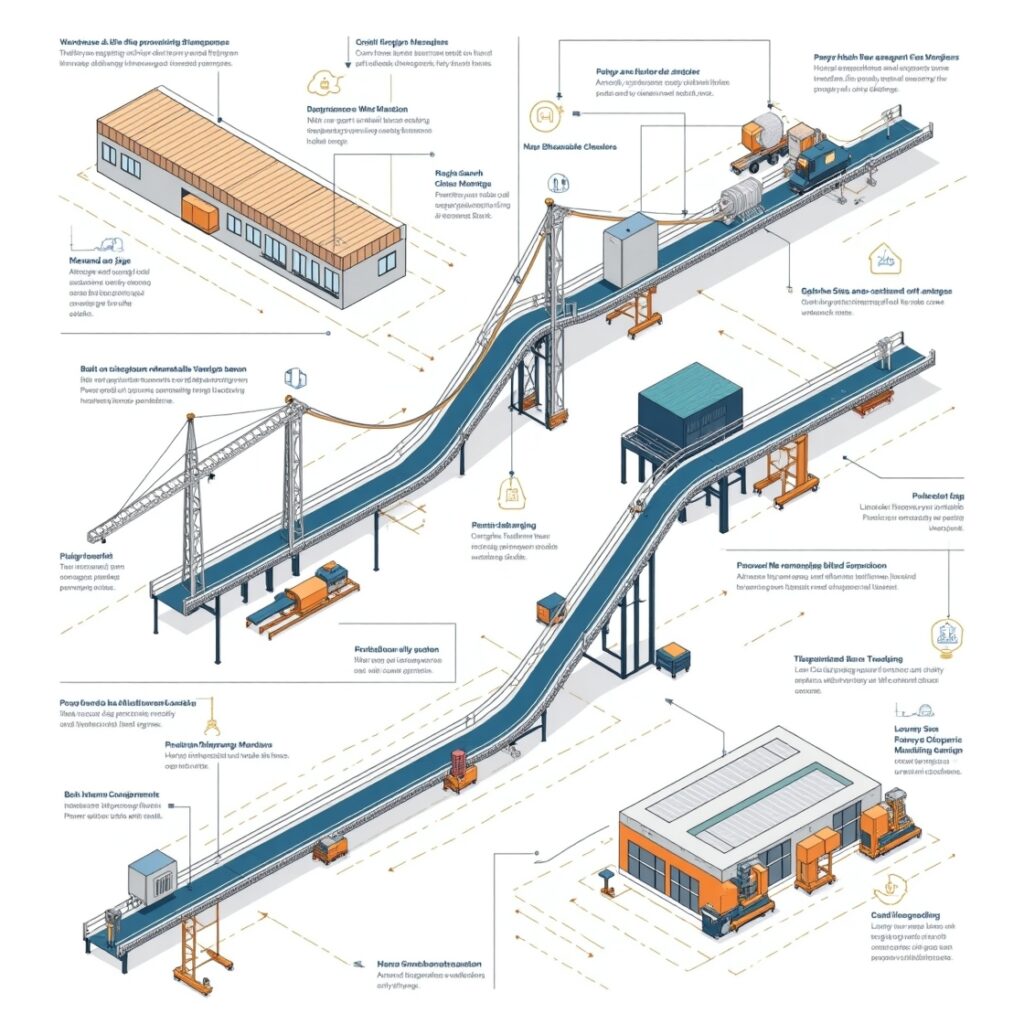
There are several types of conveyor systems used across industries, each serving a specific purpose. The selection depends on material characteristics, process requirements, and facility layout.
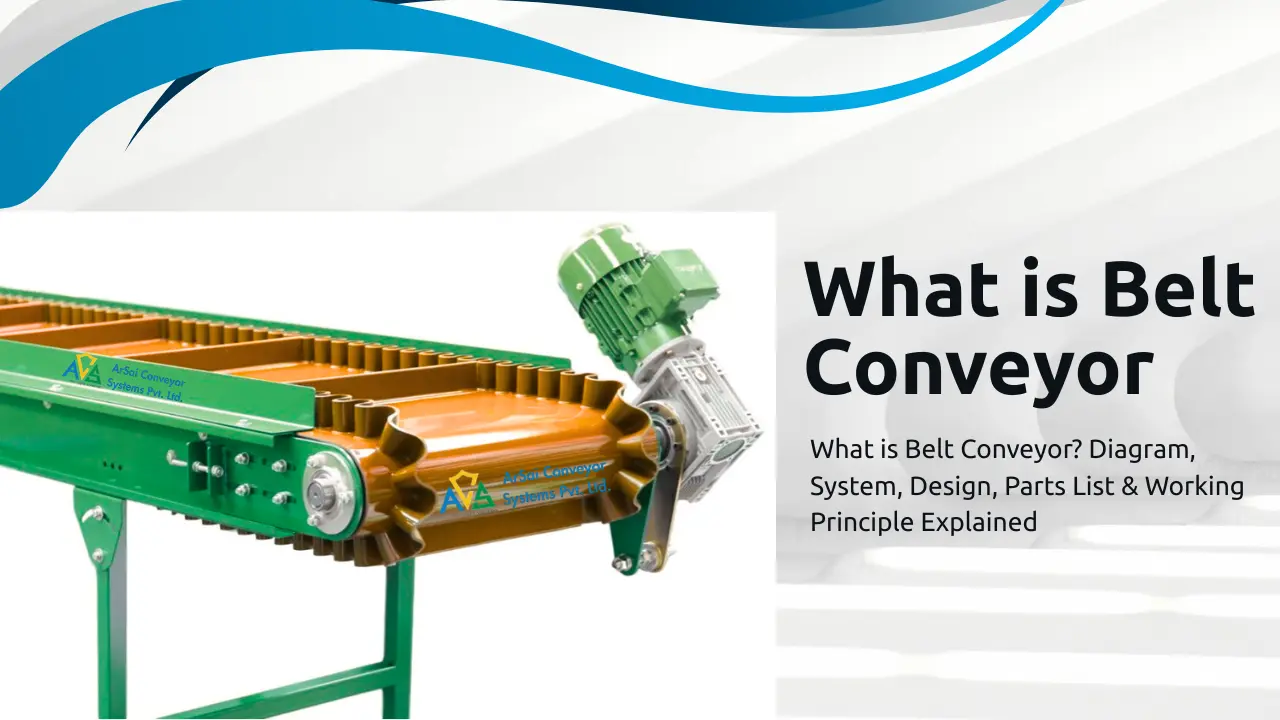
- Belt Conveyors– Belt conveyors are among the most commonly used types of conveyors. They consist of a continuous belt driven by pulleys and are ideal for transporting bulk materials, cartons, and packaged products. These conveyors are widely used in manufacturing plants, warehouses, and logistics centers.
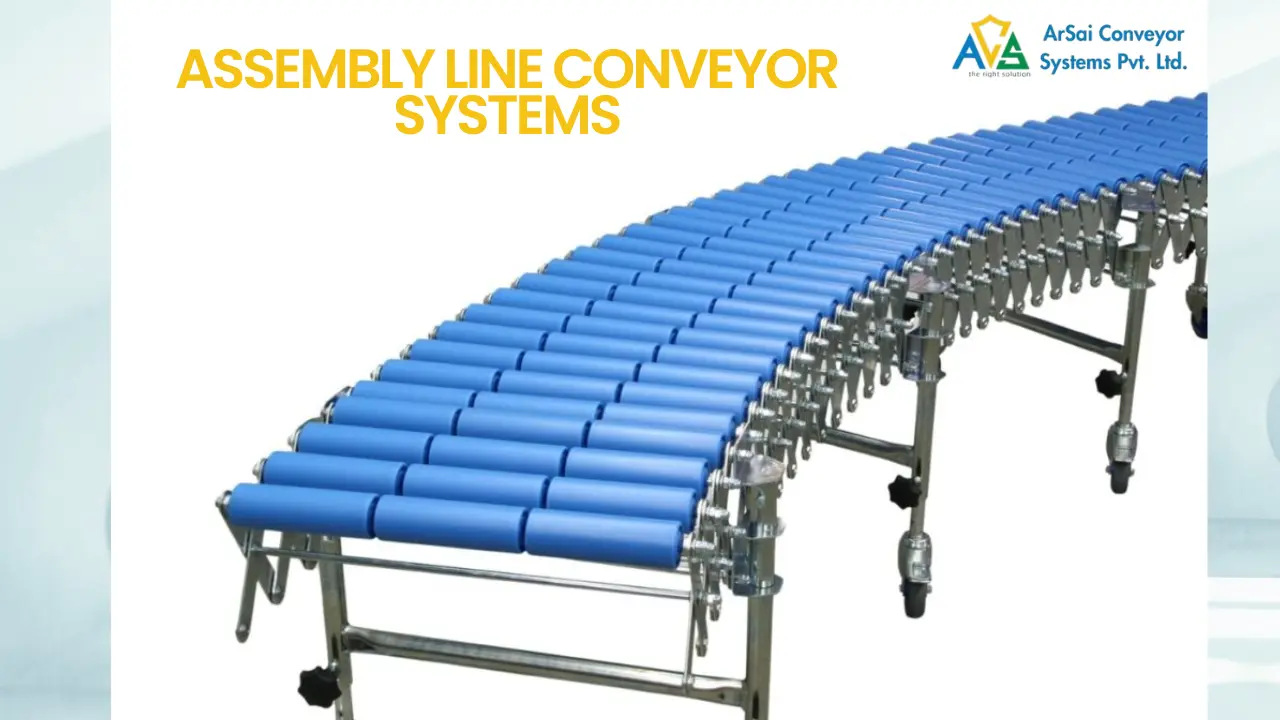
- Roller Conveyors– Roller conveyors use cylindrical rollers to move products either by gravity or powered motion. They are suitable for boxes, pallets, and heavy loads, making them a popular choice for storage areas and distribution facilities.
- Chain Conveyors- Chain conveyors are heavy-duty industrial conveyor systems designed for rugged applications. They are commonly used in automotive, metalworking, and heavy engineering industries where strength and durability are critical.
- Screw Conveyors- Screw conveyors are used for handling powders, granules, and semi-solid materials. They are commonly found in cement plants, food processing units, chemical industries, and bulk material handling applications.
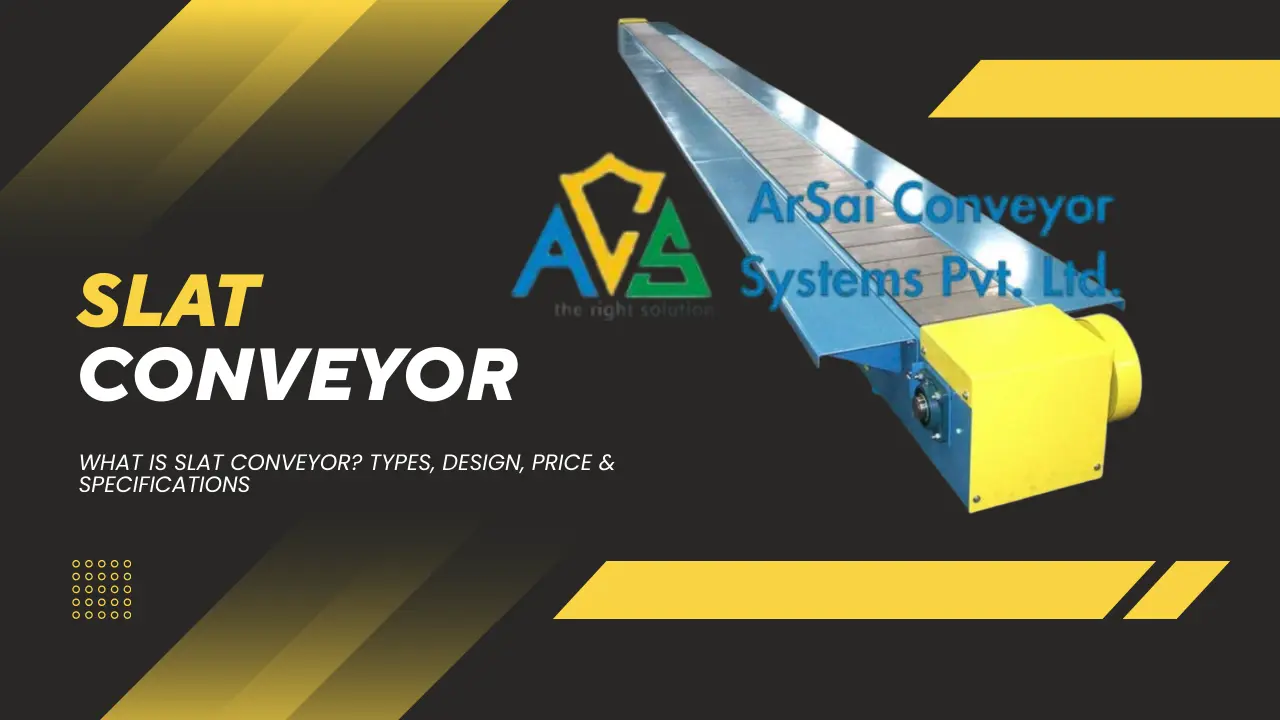
- Slat Conveyors– Slat conveyors use metal or wooden slats attached to chains. These conveyors are suitable for assembly lines, hot materials, and heavy components where traditional belt conveyors may not perform efficiently.
- Overhead Conveyors– Overhead conveyors are suspended from the ceiling, saving valuable floor space. These types of conveyor systems are widely used in paint shops, coating plants, garment units, and automotive industries.
How Are Conveyors Used?
Industrial conveyors are used to ensure smooth and continuous movement of materials within a production facility. Their primary function is to connect different stages of the manufacturing or handling process.
Conveyors are commonly used for feeding materials into machines, transferring products between workstations, sorting and inspection, packaging, and moving finished goods to storage or dispatch areas. By using industrial conveyor systems, companies can maintain consistent production flow and minimize downtime.
Storage and Buffering Uses
One of the important applications of an industrial conveyor system is storage and buffering. In many industries, different processes operate at varying speeds. Conveyors act as buffers by temporarily holding products between stages, preventing bottlenecks and ensuring uninterrupted operations.
Buffer conveyors also help protect products from damage by maintaining controlled spacing and movement during temporary accumulation.
How Do You Choose the Right Type of Conveyor?
Selecting the right conveyor is a crucial step in designing an efficient material handling system. With so many types of conveyors available, careful evaluation is necessary to ensure optimal performance.
Material properties such as size, weight, temperature, and abrasiveness play a key role in conveyor selection. Process requirements, including speed, automation level, and integration with existing equipment, must also be considered.
Facility layout, space constraints, elevation changes, and future expansion plans further influence the choice of types of conveyor systems. At ArSai Conveyor Systems, we assess all these factors to recommend the most suitable and cost-effective solution.
How Do You Design a Conveyor?
Designing an effective industrial conveyor system requires technical expertise and a clear understanding of the application. The design process begins with analyzing material flow and operational needs.
Engineers then select the appropriate conveyor type, determine load capacity, speed, and dimensions, and design the supporting structure. Safety features, maintenance accessibility, and energy efficiency are also considered during the design stage.
A well-designed conveyor system reduces wear, minimizes maintenance, and delivers reliable performance over its operational life.
What Happens When You Call or Email Us for Help in Selecting the Best System?
When you contact ArSai Conveyor Systems, our team starts by understanding your specific application and challenges. We discuss your material handling process, production goals, and site conditions in detail.
Based on this information, we propose suitable industrial conveyor systems, explain the available options, and guide you through the selection process. From concept design to manufacturing and installation, we provide end-to-end support to ensure the system meets your expectations.
Call or Email Us Today to Get Started
We Can Help Make Your Process More Efficient
If you are planning to install a new conveyor or upgrade your existing material handling system, ArSai Conveyor Systems is ready to assist you. Our expertise in designing and manufacturing reliable industrial conveyor system solutions ensures improved efficiency and long-term performance.
By choosing the right types of conveyor systems, you can reduce operational costs, enhance safety, and increase productivity. Call us at +91-98117 72712 or email salesarsai@gmail.com us today to discuss your requirements and take the first step toward a more efficient process.
Conclusion
Understanding the types and uses of industrial conveyors is essential for building efficient and reliable material handling operations. From belt and roller conveyors to chain, screw, and overhead systems, each conveyor type serves a specific industrial need.
With proper selection and design, industrial conveyor systems become a valuable asset that supports growth and operational excellence. ArSai Conveyor Systems is committed to delivering customized, high-quality conveyor solutions that help industries move smarter and faster.